
Doctoral Degree Programmes: Requirements and Study Options
A doctoral degree is an advanced academic qualification for people who want to develop specialist knowledge, conduct research or apply advanced expertise within a professional field. For some students, doctoral study is the next step after a master’s degree. For others, it supports a long-term goal of contributing original research or progressing into a specialist career.
Before choosing a doctoral programme, it is important to understand the different types of doctorates, the academic requirements involved and how to check whether a qualification is recognised. This guide explains the main options and what to consider before applying.
What Is a Doctoral Degree?
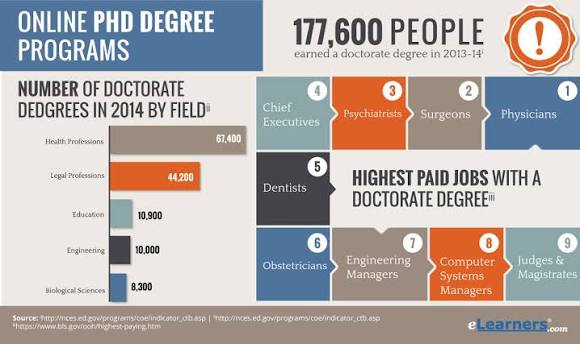
A doctoral degree is a qualification awarded at an advanced level of higher education. Depending on the programme, it may emphasise original research, professional practice or the application of specialist knowledge.
Doctoral study typically requires substantial independent work and formal assessment. The exact requirements depend on the awarding institution, the subject and the type of doctorate.
Some students pursue doctoral qualifications to develop research expertise, while others seek advanced professional knowledge relevant to leadership, education, business or another specialist area.
Types of Doctoral Degrees
Doctor of Philosophy (PhD)
A Doctor of Philosophy, commonly known as a PhD, generally focuses on original research that contributes to knowledge in a particular field.
Students usually develop a research proposal, work with academic supervisors, conduct research and submit a thesis or equivalent work for examination. Admission requirements often include relevant previous academic qualifications and evidence that the applicant is prepared for independent research.
Professional Doctorates
Professional doctorates are designed around advanced knowledge and practice in a professional area. Depending on the programme, they may combine taught modules, applied research and a substantial project or thesis.
Examples can include doctorates in education, business administration and other professional disciplines. Programme titles and requirements vary, so applicants should check the specific award offered by the institution.
Higher and Specialist Doctoral Qualifications
Some institutions offer other doctoral awards with particular academic or professional purposes. The meaning of each title depends on the awarding body’s regulations and the qualification’s status.
Always verify the exact qualification rather than relying solely on the word “doctorate” in a programme advertisement. Doctoral Degree Programmes Doctoral Degree Programmes
Doctoral Degree Programmes Entry Requirements
Entry requirements differ between institutions and fields. Many PhD programmes expect applicants to have a relevant master’s degree, although some universities allow direct entry from a bachelor’s degree where the applicant meets the required academic standard.
Applications may require:
Academic certificates and transcripts.
A research proposal or statement of research interests.
References from academic or professional contacts.
Evidence of relevant research or professional experience.
Proof of English-language proficiency, where required.
An interview or discussion with a potential supervisor.
Professional experience may strengthen an application for certain programmes. However, it does not automatically replace the academic qualifications, research work or assessments required by the awarding institution.
Can You Study for a Doctorate Online?
Some universities offer online or distance-learning doctoral programmes, while others require regular campus attendance, laboratory work, clinical practice or other in-person activities.
Online study may be suitable for experienced professionals who need flexibility, but students still need to meet the programme’s research, supervision and assessment requirements.
Before applying, check whether the programme can be completed remotely, how supervision works, what research resources are available and whether any residential visits or practical components are compulsory. Doctoral Degree Programmes
How to Verify a Recognised Doctoral Qualification
Recognition should be a priority when comparing doctoral programmes. First, establish which institution will formally award the qualification. A provider delivering teaching is not necessarily the institution that confers the degree.
For UK qualifications, consult the government’s official guidance on checking whether a university or college can award a degree.
Also investigate the institution’s status, the programme’s academic regulations, its research and assessment requirements, and the rules that apply in the country where you intend to use the qualification.
If you need the doctorate for employment, professional registration or further academic study, confirm the relevant requirements directly with the employer, regulator or receiving university.
Be cautious of claims that promise an immediately awarded doctorate without clearly explaining the academic requirements. A purchased certificate is not, by itself, proof of an earned or recognised doctoral degree programmes.
How Long Does a Doctorate Take?
Doctoral study can take several years, depending on the subject, programme structure, research progress and whether you study full-time or part-time.
Research-based programmes may involve proposal development, literature review, data collection, analysis, thesis writing and examination. Professional doctorates may have a different combination of taught study and applied research.
Ask the university for its expected completion period, supervision arrangements, assessment milestones and policies for extensions before enrolling.
What Does a Doctoral Programme Cost?
Costs vary by institution, discipline, country and study format. Tuition may be only one part of the total expense.
Ask about registration, supervision, research expenses, assessment fees, travel and any costs associated with extensions or graduation. Check the payment and refund policies carefully.
Compare costs alongside the programme’s academic quality, support services and recognition status rather than making a decision based on price alone. Doctoral Degree Programmes
Frequently Asked Questions
Both are doctoral-level qualifications, but their purpose and assessment can differ. A PhD usually centres on original research, while a professional doctorate often connects advanced study with professional practice.
Yes, some institutions consider professional experience as part of their admissions process. The university decides how experience is evaluated and which academic requirements apply.
Online delivery does not automatically determine recognition. Check the awarding institution, the specific qualification and whether it meets the requirements of the organisation where you intend to use it.
Not always. Entry requirements vary, and some universities accept suitably qualified applicants directly from undergraduate study.
Plan Your Doctoral Study Carefully
A doctoral degree requires careful planning, commitment and an understanding of the academic work involved. Compare suitable programmes, verify the awarding institution and make sure you understand the research and assessment requirements before applying.
Have questions about doctoral study or academic documents? Contact Buy A Diploma to discuss your enquiry and learn what information may help you identify the appropriate next steps. Doctoral Degree Programmes
Explore other degree Programmes
Doctoral Degree Programmes→
MBA Degree Programmes→